
A Newa community shaped by the art of building
Sthapits belong to the Uray community of the Newa people of Kathmandu Valley. Newar Buddhism, Nepal Bhasa and a long relationship with skilled making form the foundation of our identity.
Sthapits belong to the Uray community of the Newa people of Kathmandu Valley. Newar Buddhism, Nepal Bhasa and a long relationship with skilled making form the foundation of our identity.
Thaymaru, Bhindyah, Makhan and Lagan are more than names on a map. They are places where family histories, rituals, workshops and community relationships have been carried across generations.
Carpentry, architecture and engineering were not simply occupations. They were systems of knowledge—learned through practice and expressed in the homes, temples, palaces and public structures of the Valley.
Sthapit Society creates a common place for families to meet, support one another and take part in cultural life. Heritage matters most when it continues to serve people in the present.
Our work connects the knowledge of earlier generations with the needs of families and young people today.

The architectural history of the Valley holds traces of Sthapit knowledge in timber, structure, proportion and construction practice. The society works to document that connection carefully and make it accessible without turning it into decoration.
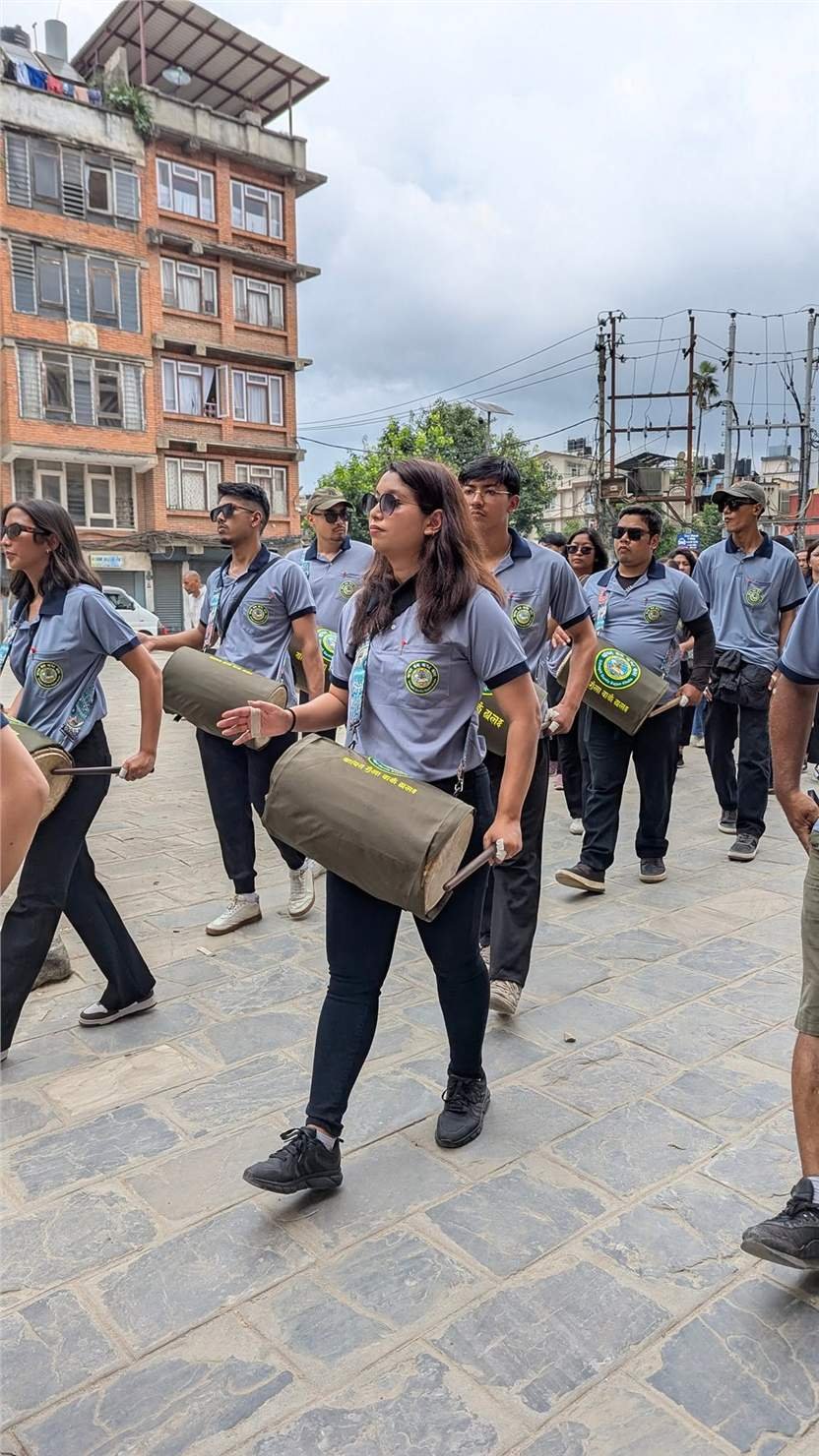
Gunla pilgrimages, Gunla Bajan, Bahidyah Bwayegu and Samyak bring culture into streets, courtyards and sacred places. Participation allows younger generations to understand not only what happens, but why the community takes part.

Meetings, youth participation, women-led groups, cultural documentation and practical support keep the organisation relevant throughout the year. The aim is simple: make it easier for people to remain connected and contribute.
Be part of the work